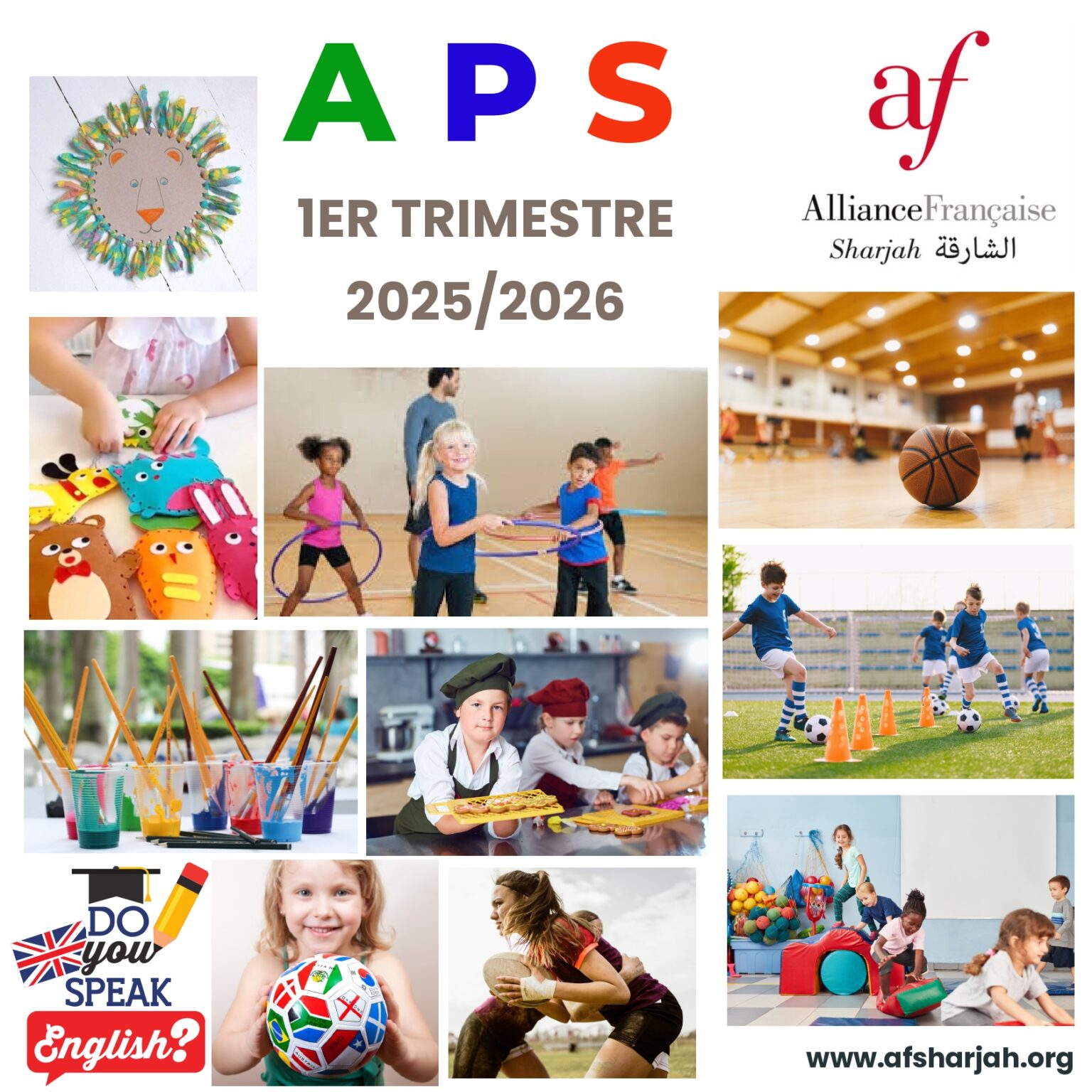
Extracurricular Activities APS
THE BENEFITS OF EXTRACURRICULAR ACTIVITIES
What if your children participated in sports or cultural activities outside of school?
An after-school art workshop, a multi-activity workshop, or a sports activity are ideal choices to help your children grow up well from kindergarten onwards.
For children under 6, for example, engaging in a variety of activities, allowing them freedom of movement, is particularly beneficial for their psychomotor and neuropsychological development. Their brains are still malleable. There are also benefits for their social skills. They interact in groups and are encouraged to cooperate. Adults will encourage them to help each other: an opportunity to learn how to live together from a very young age!
It’s good for your health!
Extracurricular activities represent a long-term investment: once a child discovers the joy of movement, it’s for life! From a very young age, they learn to take care of themselves. Whether it’s a physical or artistic activity, both contribute equally to their development. French health authorities emphasize that being active for at least three hours a day until age 5, and then engaging in at least one hour of physical activity daily from age 6 to 11, is beneficial for your children’s health.
In short, extracurricular activities offer numerous benefits to children and teenagers. Here are some of the main advantages:
- Social development : They allow young people to meet other children, thus promoting the learning of cooperation, communication and respect for differences.
- Academic skills : Certain activities reinforce academic skills and can stimulate interest in learning.
- Personal development : Artistic, sporting or cultural activities allow young people to explore their passions and develop their creativity.
- Building self-confidence : Participating in projects or competitions can help build confidence and self-esteem.
- Time management : Extracurricular activities teach children to organize their schedule and balance studies and leisure.
- Physical activity : Sports and physical activities contribute to health and well-being, helping to prevent obesity and promote an active lifestyle.
- Learning responsibility : By engaging in projects or roles within a team, children learn to be responsible and to respect their commitments.
- Preparing for the future : These activities can develop essential skills, such as leadership, teamwork and problem-solving, which are valuable in the professional world.
In summary, extracurricular activities play a key role in the overall development of young people, complementing their formal education.
Discover the schedule for the 1st quarter 2025-2026